
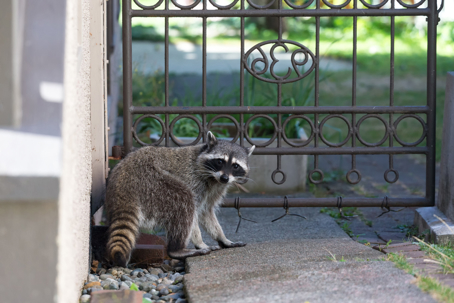
Raccoons are surprisingly adaptable animals. While they naturally live in wooded areas, they’ve learned that residential neighborhoods often provide easier access to food, water, and shelter than the wild ever could.
For homeowners, that adaptability can quickly become a problem. A raccoon that starts visiting your property for a meal may eventually decide to stay, especially if it finds a safe place to nest nearby.
Understanding what attracts raccoons is one of the best ways to reduce the chances of unwanted wildlife activity around your home.
Easy Access to Food Sources
Food is often the biggest reason raccoons visit residential properties.
Raccoons are opportunistic feeders. Rather than hunting extensively for meals, they look for easy opportunities. Neighborhoods frequently offer a steady supply of food that requires far less effort than searching in natural habitats.
Common attractants include:
- Unsecured garbage cans
- Pet food left outdoors overnight
- Bird seed scattered beneath feeders
- Fallen fruit from trees
- Compost piles
- Outdoor cooking areas and grease residue
Even small amounts of food can encourage repeat visits. Once raccoons discover a reliable food source, they often return to the same property repeatedly.
Water Around the Property
Like any animal, raccoons need access to water.
Many residential landscapes provide convenient sources without homeowners realizing it. Decorative ponds, bird baths, pet water bowls, clogged gutters, and areas where irrigation water collects can all attract wildlife.
During warmer months, water becomes especially important. A property that offers both food and water can become a regular stop for raccoons moving through the area.
In Texas, extended periods of heat can make residential water sources even more attractive to local wildlife.
Shelter Opportunities Near the Home
Food may bring raccoons onto a property, but shelter is often what convinces them to stay.
Raccoons look for secure locations that offer protection from weather, predators, and human activity. Unfortunately, many homes provide exactly what they're looking for.
Common shelter locations include:
- Attics
- Crawl spaces
- Chimneys
- Sheds
- Garages
- Spaces beneath decks and porches
Female raccoons are particularly motivated to find protected den sites during breeding and nesting periods. An attic, for example, can provide warmth, safety, and isolation that closely resembles natural denning environments.
Overgrown Landscaping and Yard Features
A well-established landscape can unintentionally create travel routes and hiding places for wildlife.
Dense shrubs, overgrown vegetation, wood piles, and unmanaged areas around the property can provide cover as raccoons move between feeding and nesting locations.
Tree branches are another common factor. Branches that extend over or touch a roof can create easy access points to upper portions of a home.
While landscaping itself isn't the problem, certain conditions can make a property more inviting to wildlife activity.
Why Raccoons Often Return to the Same Property
Many homeowners assume that once a raccoon leaves, the problem is over.
In reality, raccoons have strong spatial memory and frequently return to locations where they've previously found food or shelter. If the original attractant remains, future visits are likely.
This is why temporary deterrents often produce mixed results. Lasting prevention usually requires identifying and removing the conditions that attracted the animal in the first place.
Without addressing those underlying factors, another raccoon may simply take advantage of the same opportunity later.
Signs Raccoons May Be Visiting Your Property
Because raccoons are primarily active at night, homeowners don't always see them directly.
Instead, they often notice clues left behind.
Some common signs include:
- Knocked-over garbage cans
- Tracks around the yard
- Damage near rooflines or vents
- Noises in the attic after dark
- Disturbed insulation
- Pet food disappearing overnight
Early signs are worth paying attention to. What begins as an occasional activity can sometimes develop into a larger wildlife issue if nesting occurs.
When Professional Raccoon Removal May Be Necessary
Not every raccoon sighting requires professional intervention. Wildlife passing through a neighborhood is normal.
However, if raccoons have moved into an attic, crawl space, chimney, or another part of the structure, professional removal and exclusion services are often the safest approach.
Removing the animal is only part of the solution. Identifying entry points and preventing future access is equally important for reducing repeat activity.
If you've noticed signs of raccoons around your property or suspect they may be living inside your home, 911 Wildlife provides professional raccoon removal, wildlife exclusion, and wildlife prevention services.
Have you noticed raccoons frequenting your property? Schedule an inspection or discuss your concerns with us. Call (903) 289-7255 or book an online visit.