
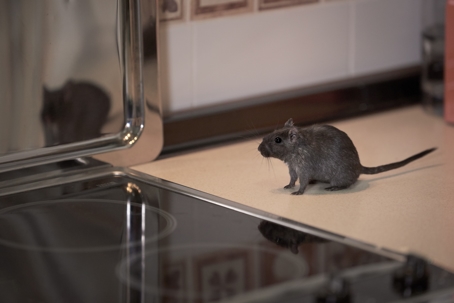
Spring is a season of increased wildlife activity, and commercial properties often become attractive for animals seeking shelter, nesting sites, or easy access to food. Bats, birds, raccoons, squirrels, and rodents may explore warehouses, restaurants, offices, and retail spaces.
While these animals are an important part of the local ecosystem, they can unintentionally cause property damage, disrupt operations, and increase maintenance costs. Understanding the risks and taking proactive steps can help your business stay safe while treating wildlife humanely.
Why Commercial Buildings Are Vulnerable in Spring
Spring is peak season for nesting and breeding, which makes commercial properties particularly susceptible. Some factors that attract wildlife include:
- Warm, quiet spaces like attics, storage rooms, or roof cavities
- Access to food in restaurants, warehouses, or kitchens
- Open vents, doors, or windows
- Overhanging trees and landscaping that provide pathways to the roof
Even small gaps or damaged areas can serve as entry points. Early identification and mitigation of these vulnerabilities reduce the risk of property damage and operational disruptions.
Common Wildlife Risks for Businesses in Texas
Different animals pose specific challenges to commercial properties in Texas, especially in spring when they are most active:
- Bats: Often roost in attic spaces, vents, and roof cavities of commercial buildings. Their droppings (guano) can accumulate and require careful cleanup.
- Birds: Species like pigeons and sparrows may nest on ledges, vents, or structures, leading to messy droppings and potential wear on building surfaces.
- Raccoons & Squirrels: These animals can explore attic areas, crawl spaces, and wall voids. Their chewing behavior may damage insulation, wiring, and wood structures.
- Rodents (mice & rats): Common throughout Texas commercial buildings, rodents can gnaw on materials, contaminate products, and leave droppings that require cleanup.
- Skunks & Opossums: While typically more active around ground-level structures, these species can take shelter under sheds, crawl spaces, or equipment areas and may cause odors or attract parasites like fleas.
Gophers are primarily encountered outside around landscape areas and soil, rather than inside commercial structures. They burrow underground and may impact turf, irrigation systems, or paved areas near buildings, but they are less likely to infest interior spaces.
Preventing Wildlife Problems in Commercial Properties
Proactive prevention helps protect your building and supports humane wildlife practices. Key steps for commercial properties include:
- Inspect roofs, vents, and delivery entrances for gaps or damage
- Check warehouse windows, doors, and loading docks for easy access points
- Keep kitchens, food storage, and waste areas sealed and clean
- Monitor landscaping and overhanging trees that can act as wildlife pathways
While these steps help reduce risk, professional commercial wildlife removal is often necessary to ensure complete protection. Specialists not only remove animals safely but also implement prevention and repair and reduce the likelihood of future intrusions. Early intervention protects your property, maintains safe operations, and ensures wildlife is treated responsibly.
How Humane Commercial Wildlife Removal Works
Professional wildlife specialists prioritize both the safety of your business and the well-being of the animals. Humane removal methods allow animals to exit naturally while minimizing stress or injury. In commercial settings, these methods can:
- Reduce damage to buildings and property
- Maintain safe conditions for employees and customers
- Include exclusion and prevention strategies to deter return visits
- Support long-term solutions like prevention and repair
Humane commercial wildlife removal balances operational needs with ethical treatment of animals, helping your business remain secure while protecting wildlife.
Protecting Your Business and Local Wildlife
Springtime wildlife activity can create challenges for commercial properties, but early, informed action can prevent costly damage. By identifying vulnerable areas, implementing preventive measures, and utilizing humane removal strategies, businesses can maintain safe operations while supporting local wildlife.
Professional assistance ensures that wildlife is removed compassionately, entry points are secured, and your property is restored efficiently. Businesses benefit from expert evaluation, commercial wildlife removal, and ongoing prevention strategies tailored to their specific needs.
Take Action with Compassionate Expertise
If you suspect wildlife activity in your commercial property this spring, don't wait. Contact 911 Wildlife today or call (903) 289-7255 for professional, humane commercial wildlife removal, prevention, and repair solutions. Protect your building, your employees, and the animals with expert care.