
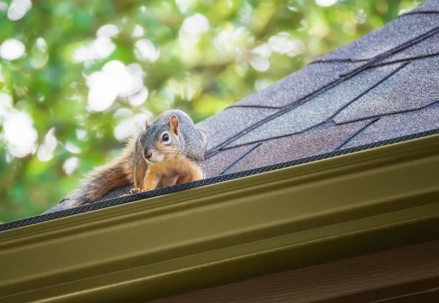
Spring brings warmer temperatures, new growth, and—unexpectedly for many Texas homeowners—an increase in squirrel activity. As squirrels search for safe places to build nests for their young, attics often become an attractive option.
While squirrels are an important part of our natural environment, having them inside your home can create noise, stress, and property damage. Understanding why this happens and what you can do about it can help protect your home and support humane wildlife practices.
Why Squirrels Look for Attic Space in Spring
Squirrels become especially active in April and May. This is the time of year when mother squirrels look for quiet, protected areas to raise their young. Attics are warm, dry, and free from natural predators, which makes them appealing nesting sites.
What Attracts Squirrels to Attics?
A few common conditions make attics more accessible or appealing:
- Open or damaged vents
- Gaps in siding or roofing
- Overhanging tree branches
- Softer insulation materials squirrels can gather for nests
Most people do not realize that squirrels only need a very small gap or weakened spot in the home’s exterior to push their way inside. Once they do, they may create more space by chewing, which can cause further home repairs down the line.
Signs That Squirrels May Be in Your Attic
It can be difficult to know exactly what is happening above your ceiling, especially if you have never dealt with wildlife in your home before. Here are the most common signs homeowners notice:
- Light scratching or scurrying sounds, especially mornings or late afternoons
- Small pieces of insulation are disturbed or pushed out of vents
- Droppings near entry points
- A sudden increase in activity on your roofline or trees around your home
These signs do not always mean there is a major problem, but they do signal that it’s time to get a professional inspection. Early action helps protect your home, supports the squirrels living nearby, and allows specialists to recommend the right prevention and repair steps before the issue grows.
The Impact Squirrels Can Have on Your Attic
Although it may seem harmless at first, squirrels nesting in an attic can cause issues such as:
- Chewed wires or ducts
- Damaged insulation
- Entry holes that grow larger over time
- Increased humidity or odors from nesting materials
Most of these concerns develop gradually, which is why early detection is so important.
How to Protect Your Attic Before a Squirrel Moves In
You don’t need to make major changes to keep squirrels out of your attic—just a few preventive steps can make a big difference.
Practical Tips for Homeowners
- Trim tree branches that hang near your roofline.
- Inspect soffits and vent screens for wear, rust, or openings.
- Keep gutters clean, reducing moisture that can weaken roof edges.
- Look for loose shingles or gaps after storms, especially strong Texas spring winds.
These steps can reduce access points, but even a well-maintained home can still become a target because squirrels are resourceful. A professional wildlife inspection ensures no hidden openings are overlooked.
Why Spring Is the Best Time to Address Squirrel Activity
Spring is nesting season, which makes early action especially important. Addressing squirrel activity now can prevent more complicated situations later, as waiting may allow young squirrels to mature and make removal more challenging. Homeowners who act promptly and compassionately often avoid larger repairs and disruptions down the line.
Spring also provides ideal conditions for professionals to inspect your home’s exterior and attic. Good weather makes it easier to identify and seal weak spots, helping prevent future entries while protecting the wildlife.
Why Humane Removal Matters
Squirrels are not aggressive animals—their behaviors are guided by natural instincts, not a desire to cause harm. Humane removal focuses on keeping both your home and the animals safe.
With this approach:
- Wildlife can leave the home safely without traps or relocation
- Young squirrels remain protected if present
- Animals are treated respectfully, supporting the ecosystem
Taking steps to address wildlife issues early, such as sealing entry points and monitoring attic activity, helps prevent damage while respecting local wildlife. Early, thoughtful action often avoids long-term repairs and keeps your home comfortable throughout the year.
How Professionals Handle Squirrel Activity
Humane wildlife specialists prioritize both the safety of your home and the well-being of the animals. When addressing squirrels in the attic, professionals typically:
- Inspect your attic and exterior for entry points or nesting materials
- Assess if young squirrels are present
- Implement one-way exits that allow squirrels to leave safely
- Recommend preventive measures to block future access
- Suggest any necessary repairs or attic cleanup to maintain a safe environment
This process ensures squirrels are guided out responsibly while protecting your home from further damage.
Protecting Your Home and Supporting Local Wildlife
Springtime squirrels may explore homes in search of nesting space. While their behavior isn’t meant to cause harm, it can create disturbances indoors. Addressing these issues early helps protect your property while allowing squirrels to return safely to their natural environment.
Compassionate, Professional Help When You Need It
If you suspect squirrels are in your attic this spring, compassionate help is available. Contact 911 Wildlife through our online form or call (903) 289-7255 to schedule a humane inspection and prevention plan. Professionals can assess your home, safely remove wildlife, and help prevent future intrusions—all while keeping the animals unharmed.